

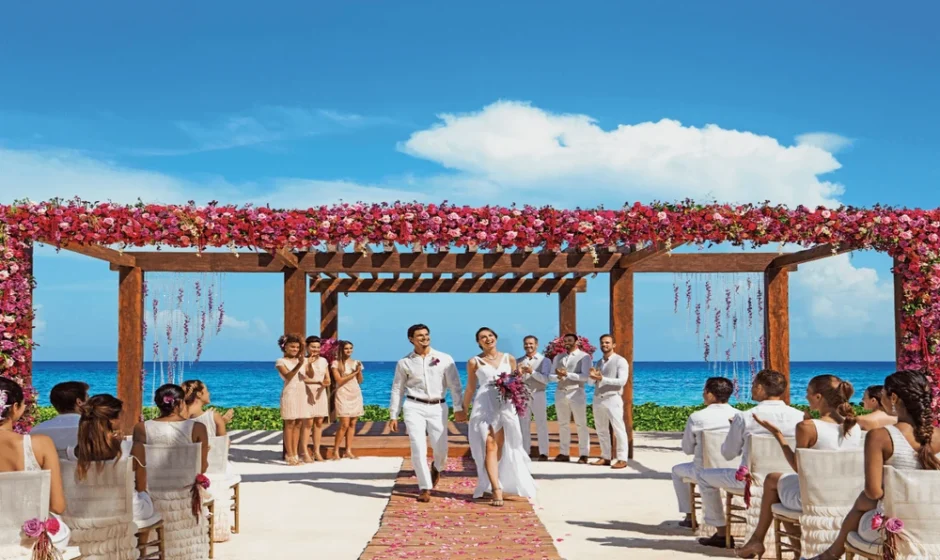

Most couples picture their Mexican Caribbean wedding from the altar looking out. The sea behind the arch, the late sun, the white sand under bare feet. That view covers about twenty minutes of a trip that lasts four or five days for everyone who flies in.
Your guests live it differently. Their wedding starts with a link to a booking page and runs through a payment schedule, a crowded arrival hall in Cancun, a shuttle ride, and several nights at a resort they did not choose. Every decision you make lands somewhere along that path.
That is why people who handle group travel tend to start with logistics long before flowers. Couples comparing resorts along this coast through Beach Bridal Vacations will find options ranging from adults-only properties in Playa Mujeres to large family resorts deep in the Riviera Maya, and the right fit depends heavily on who is coming.
The Map Decides Half the Trip
Cancun International Airport sits at the center of everything, and the distance from it shapes the guest experience more than most couples expect. The Hotel Zone is roughly twenty minutes away, a narrow strip between the lagoon and the sea with a lively, almost urban energy. Playa Mujeres, just north of the city, is newer and calmer, with resorts spread along a softer stretch of coast about half an hour from arrivals.
Head south and the drive grows. Puerto Morelos and the Riviera Maya around Playa del Carmen, Maroma and Akumal sit anywhere from forty-five minutes to an hour and a half away. Tulum is closer to two hours by road, though its newer airport has opened direct flights on some routes. Costa Maya, down near the Belize border, is a different trip altogether and suits small, adventurous groups far better than a crowd that includes grandparents.
A short transfer is a kindness to older relatives and families with tired kids. A longer one buys seclusion, wider beaches and resorts that feel tucked away from everything. Either works when it is chosen on purpose.
Adults Only or Everyone Welcome
Resort personality is the second filter, and many brands along this coast split cleanly. Secrets, Breathless and Le Blanc properties keep guests eighteen and over, which suits couples who want a grown-up mood or a bit of nightlife. Dreams, Generations, Moon Palace and Beach Palace welcome children, with kids’ clubs that let parents actually enjoy the reception.
This choice settles the question of kids on the guest list before anyone has to say it out loud.
Swim-up suites and overwater bungalows like the Palafitos at El Dorado Maroma make tempting splurges for the couple, but guests on tighter budgets still need a base category that feels like a real vacation.
Timing Against the Weather
The dry season, roughly December through April, brings the most dependable skies and the highest rates. Hurricane season officially runs from June through November, with the greatest risk in late summer and early fall. Sargassum seaweed adds another variable. It tends to wash ashore most heavily from spring into late summer, and some beaches get hit harder than others.
May and early November often land in a sweet spot, with warm water, thinner crowds and friendlier pricing. Whatever month you pick, a ceremony set about an hour before sunset spares everyone the midday heat and hands your photographer soft, golden light. Ask every resort about its covered backup space too, because a tropical downpour rarely sends much warning.
The Booking Window Nobody Talks About
This is where the guest experience is quietly won or lost. Group travel runs through a room block, a set of rooms the resort holds at a negotiated rate for your wedding. Most of its obligations land on the couple.
A typical arc looks something like this.
- The couple signs a group contract with a minimum number of rooms and pays a deposit to secure the block.
- A wedding website goes live, and guests reserve rooms inside the block with their own deposits.
- Guests can chip away at their balance in installments, but the final payment date is set by the resort and almost never moves. Missing it can cost a guest the room.
- Unsold rooms go back to the resort a few months before arrival, often around 130 days out. Rooms held past that point can turn into penalties for the couple.
- About a month before the wedding, the resort tallies the complimentary room nights earned by the block, which can be applied to the couple’s stay or credited back.
The most common misstep is a guest booking outside the block to save a little on a travel site. Resorts usually charge an outside guest fee, sometimes per person for each wedding event, to anyone not staying in the group. That guest also stops counting toward your room minimum and the perks tied to it. One plain sentence about this on the wedding website prevents plenty of awkward conversations.
Landing in Cancun
Arrival day sets the tone for the whole trip. Cancun’s airport is busy, and its exit hall is known for people offering rides, timeshare pitches and suspiciously free transfers. A pre-arranged shuttle with an established transfer company cuts through all of it. Guests walk out, spot a sign with their name and reach the resort before the welcome drink has a chance to warm up. Many group bookings bundle round-trip transfers, so confirm it early.
Sharing guest flight times with the resort’s coordinator also makes a relaxed welcome dinner easy to plan, so people from different flights can meet before the big day.
Making It Legal or Making It Meaningful
The ceremony itself can follow two paths. A legal civil marriage in Mexico runs through the state Civil Registry and usually involves passports, birth certificates with apostilles translated into Spanish, witnesses and, in some cases, medical tests done locally. Requirements change from time to time, so the Mexican consulate’s marriage guidance is a sensible starting point before checking details with your resort coordinator. The resulting certificate then needs validation and translation before it is recognized back home, which can take months.
For that reason, many couples sign the legal papers at their local courthouse before leaving and hold a symbolic ceremony on the sand. To guests it looks and feels exactly the same, with none of the document chasing.
Beach ceremonies sit on federally managed shoreline, and resorts often fold the related fees into their wedding packages. Gazebos and rooftop decks make solid alternatives when wind or seaweed spoils the beach.
The Days After the Vows
The trip does not end with the last dance. Some guests stay on for a few extra nights, and the block can often be stretched at the group rate if that is arranged early. Couples who placed a block deposit typically see leftover funds returned a few weeks after the trip, once every guest has settled their balance.
Planned with the guest path in mind, the wedding stops being a single photo at the altar. It becomes a shared trip people talk about for years, right down to the morning after, when everyone lingers at breakfast because nobody is quite ready to fly home.