

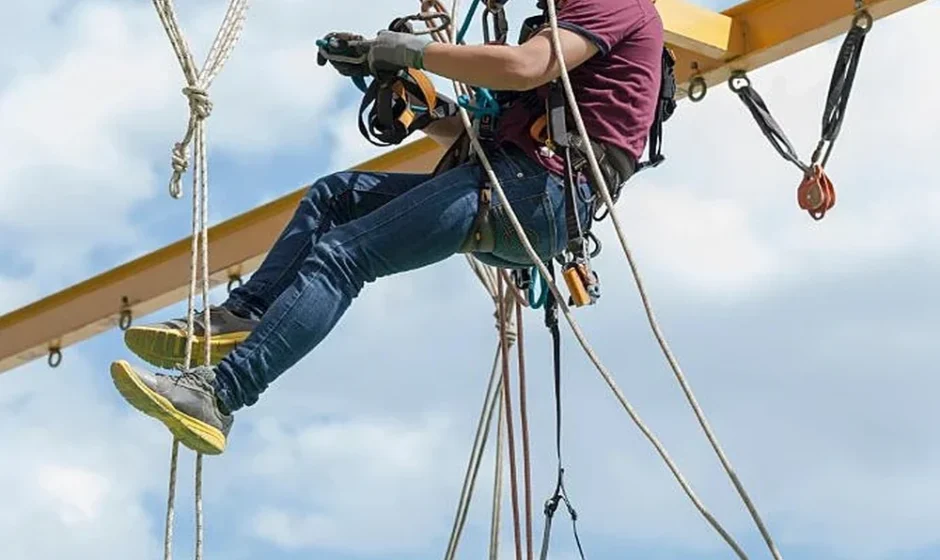

Perched hundreds of feet above the ground, workers tackling high elevation projects face a unique combination of risk, challenge, and urgency. Whether it is inspecting a crumbling façade, repairing a rooftop, or cleaning windows where scaffolding cannot reach, every decision made at altitude counts. The evolution of rope access techniques is transforming these daunting tasks, offering a blend of safety, speed, and adaptability that traditional methods struggle to match.
The Challenges of High Elevation Work
Operating at height is inherently dangerous. Gravity is unforgiving, and even minor mistakes can have severe consequences. Common risks include slips, trips, and falls, as well as exposure to unpredictable weather and unstable surfaces. Workers must also contend with confined spaces or awkward positions that increase physical strain. Safety regulations are strict, but the work environment remains unforgiving.
Traditionally, construction crews have relied on scaffolding, aerial lifts, or cranes to access hard-to-reach areas. While these methods provide a sturdy platform, they have notable drawbacks: time-consuming assembly, bulky equipment, and sometimes limited flexibility. Complex building shapes, narrow alleys, or rooftop edges often render these solutions impractical.
Efficiency suffers as well. Transporting, erecting, and dismantling scaffolds extends project timelines. Heavy machinery brings noise, logistical headaches, and increased costs. Even then, some spots remain out of reach, demanding creative and riskier workarounds.
Fundamentals of Rope Access Techniques
Rope access is a discipline born from rock climbing and caving, adapted for the built environment. Technicians use specialized ropes, harnesses, and anchors to reach and work on vertical or inclined surfaces. Instead of building platforms, they become the platform, maneuvering into position with precision.
To work as a rope access technician, workers must undergo rigorous training, typically under international standards like IRATA or SPRAT. Certification involves not only mastering rope maneuvering, but also learning rescue techniques, equipment inspections, and emergency protocols. The emphasis is always on redundancy and safety: every critical system is backed up, and all gear is regularly checked.
Essential equipment includes dynamic and static ropes, fall arrest harnesses, helmets, and a variety of connectors and anchors. Regular inspections and strict adherence to safety procedures are non-negotiable, ensuring every ascent and descent is as secure as possible.
Safety Advantages of Rope Access Compared to Traditional Methods
The core appeal of rope access lies in its unmatched safety record. Unlike scaffolding, which can collapse or tip in high winds, properly anchored rope systems are stable and adapt to worker movement. With dual-rope systems, a backup line always protects against primary rope failure.
Mobility is another key advantage. Rope technicians can move horizontally and vertically with ease, repositioning quickly without disassembling equipment. In case of emergency, workers are trained to perform self-rescue or assist others, reducing response times when every second matters.
Efficiency Gains Through Rope Access
Speed sets rope access apart. A small team can mobilize within hours, initiate work rapidly, and complete projects faster by skipping lengthy setup processes. This agility is invaluable for urgent repairs or inspections after storms, where time is of the essence.
Rope access excels in confined or awkwardly shaped spaces, areas where scaffolding cannot go. From industrial silos to historic towers, technicians can reach nearly any spot with minimal disruption to surroundings.
The reduction in heavy equipment also lowers costs. Without the need for cranes, lifts, or extensive scaffolding, clients see savings not just in rental fees but in labor and logistics as well.
Environmental and Operational Impact
Minimizing disruption is another advantage. Rope access methods do not block sidewalks, courtyards, or roads with massive structures, allowing normal activity to continue below. This makes a significant difference on busy city streets or sensitive sites.
Lower reliance on heavy machinery translates to a reduced carbon footprint. Fewer trucks, shorter setup times, and quieter operations all contribute to sustainability goals.
Most importantly, rope access adapts to nearly any environment, from icy rooftops to industrial plants, making it the method of choice for increasingly diverse applications.
Case Studies: Rope Access Success Stories
Industrial maintenance teams routinely use rope access for the inspection and repair of smokestacks, tanks, and towers. Building owners have seen dramatic improvements in façade cleaning speed and thoroughness, especially in dense urban areas.
When sudden emergencies strike, such as falling masonry or weather damage, rope teams can respond almost immediately, preventing further damage and safeguarding public spaces.
Integrating Rope Access Into Safety Management Systems
Best practices start with comprehensive risk assessment, identifying site-specific hazards and planning accordingly. Integrating rope access into a broader safety program ensures that all personnel and contractors work within compatible protocols.
Ongoing training and competency assessments keep teams sharp and up to date with the latest techniques and equipment advances. Regular drills and audits close the safety loop, fostering a culture of continuous improvement.
Future Trends and Innovations in Rope Access
Technology is rapidly enhancing rope access work. New materials are making ropes lighter and stronger, while smart helmets and communication devices boost situational awareness. The applications are also expanding, with sectors like wind energy, telecommunications, and event rigging adopting rope-based solutions.
Regulatory bodies are recognizing these advances, updating standards to reflect best practices and technological progress. This ensures that rope access remains not just innovative, but also consistently safe.
For those in Montreal or beyond looking to harness the multifaceted benefits of rope access, referencing leaders in the field such as Vertical Solutions travaux en hauteur offers both inspiration and resources. With expert teams, rigorous safety standards, and a commitment to efficiency, the future of high elevation work is not just safer, but smarter.