

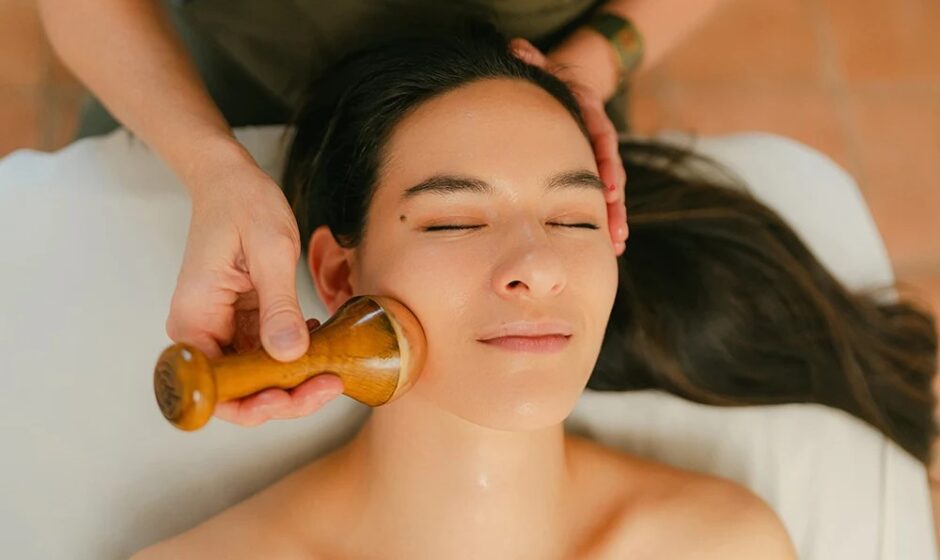

Modern skincare often focuses on correcting visible concerns quickly. While treatment-based approaches can be helpful in certain situations, long-term skin health depends just as much on supporting the skin’s natural functions. In Suffolk, where coastal winds, seasonal temperature shifts, and rural environmental factors influence skin health, understanding this difference is essential.
Learning when to treat the skin and when to support it helps maintain balance, resilience, and overall skin strength.
Understanding Treatment-Based Skincare
Treating the skin usually involves targeting a specific problem such as acne, pigmentation, dryness, or inflammation. These methods often use active ingredients designed to create faster, visible change.
Common treatment approaches include:
- Chemical exfoliants to remove dead skin cells
- Retinoids to improve cell turnover
- Spot treatments for breakouts
- Pigment-correcting products
- Clinical procedures such as peels or laser treatments
In Suffolk, individuals exposed to changing weather patterns may turn to treatment products when skin reacts to environmental stress. While these treatments can be effective, overuse may disrupt the skin barrier if not balanced properly.
What Supporting the Skin Really Means
Supporting the skin focuses on maintaining its natural protective and repair systems. Instead of forcing rapid change, supportive care strengthens the skin so it can function efficiently on its own.
Supportive skincare typically involves:
- Maintaining hydration levels
- Protecting the skin barrier
- Encouraging natural cell renewal
- Reducing unnecessary irritation
- Supporting microbiome balance
For residents in Suffolk, supportive care is especially valuable during colder coastal months when wind and low humidity can weaken the skin barrier.
The Role of the Skin Barrier
The skin barrier is the outermost protective layer that keeps moisture in and harmful irritants out. When treatments are overused, the barrier can become compromised.
Signs of barrier damage include:
- Persistent redness
- Increased sensitivity
- Tight or uncomfortable skin
- Breakouts despite treatment use
- Flaky or rough texture
Supporting the barrier through gentle cleansing and consistent moisturising helps the skin repair itself more efficiently, especially in Suffolk’s variable climate conditions.
When Treatment Is Necessary
There are situations where targeted treatment is appropriate and beneficial.
Treatment is often needed when:
- Acne is persistent or inflammatory
- Pigmentation affects confidence or skin health
- Medical skin conditions are diagnosed
- Infection or severe irritation occurs
How Daily Lifestyle Supports Skin Health
Skin health is influenced by more than topical products. Lifestyle plays a major role in supporting natural skin processes.
Key supportive daily habits include:
- Getting consistent, quality sleep
- Eating nutrient-rich foods with antioxidants
- Staying hydrated throughout the day
- Managing stress levels
- Protecting skin from sun and environmental exposure
In Suffolk, outdoor lifestyles combined with seasonal sunlight variation make daily protection particularly important.
Risks of Over-Treating the Skin
Many people unintentionally damage their skin by combining multiple strong treatments without allowing recovery time.
Over-treatment can lead to:
- Chronic inflammation
- Slower repair cycles
- Increased pigmentation risk
- Loss of natural moisture balance
- Long-term sensitivity
Supporting the skin creates a stronger foundation, allowing treatments to work more effectively when truly needed.
Creating a Balanced Approach
The most effective skincare strategy combines both treatment and support in the right proportion.
A balanced routine may include:
- Gentle daily cleansing
- Barrier-supporting moisturisers
- Targeted treatment only when necessary
- Seasonal adjustments based on Suffolk weather conditions
- Professional guidance when introducing strong actives
This approach allows the skin to stay resilient while still addressing specific concerns safely.
Final Takeaway
Treating the skin and supporting it are not opposing approaches but complementary ones. Treatment addresses specific concerns, while support maintains the skin’s natural ability to repair and protect itself. In Suffolk, environmental factors make supportive care particularly important for maintaining long-term skin stability.
By focusing on strengthening the skin first and treating only when necessary, individuals can achieve healthier, more sustainable skin outcomes over time.