

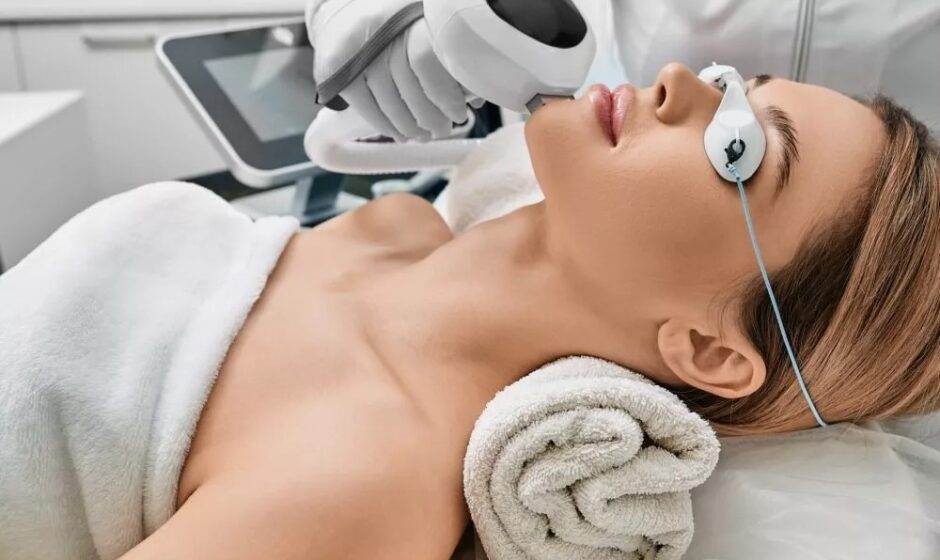

Skin problems are often viewed as purely external issues, but research increasingly shows that many conditions begin internally. In cities like Edinburgh, where changing weather, busy urban lifestyles, and environmental exposure can influence skin health, understanding internal triggers has become essential. Skin is not just a protective barrier, it reflects the body’s overall balance, including hormones, immune function, gut health, and stress levels.
Skin as a Reflection of Internal Health
The skin is closely connected to internal body systems. When internal balance is disrupted, the skin often becomes the first visible signal.
Many health experts explain that breakouts, redness, dryness, or sensitivity can be linked to deeper causes such as hormonal changes, nutritional deficiencies, or immune imbalances.
In Edinburgh, dermatology clinics increasingly focus on whole-body skin health rather than surface treatments alone.
Internal systems that influence skin include:
- Hormonal regulation
- Immune system function
- Gut microbiome balance
- Nutrient absorption efficiency
The Role of Inflammation Inside the Body
Inflammation is one of the most common internal drivers of skin problems. When inflammation increases internally, it often appears externally as acne, eczema, or rosacea.
Research shows that systemic inflammation can trigger immune responses that directly affect skin cells and healing processes.
In Edinburgh’s colder climate, where skin barriers are often weakened by wind and low humidity, internal inflammation can make symptoms more visible and persistent.
Signs inflammation may be affecting skin include:
- Persistent redness or irritation
- Breakouts resistant to topical treatment
- Slow healing of blemishes
- Increased sensitivity
The Gut-Skin Connection
Modern research highlights the gut-skin axis, showing how digestive health directly impacts skin appearance.
When the gut microbiome becomes imbalanced, inflammation can spread throughout the body and show up on the skin’s surface.
Poor gut function can also reduce absorption of nutrients like zinc, vitamin A, and omega-3 fatty acids, all essential for healthy skin repair and oil regulation. Across Edinburgh, nutrition-based skin approaches are becoming more common as people recognise that skincare alone cannot fix internal imbalances.
Hormones and Skin Changes
Hormonal fluctuations strongly influence skin health at every life stage. When hormones are balanced, skin often appears clearer and more resilient. When disrupted, skin problems frequently develop.
Hormones regulate oil production, collagen formation, and inflammatory responses. When cortisol (the stress hormone) remains high, it can increase inflammation and reduce collagen production. In Edinburgh’s fast-paced work environments, chronic stress can make hormonal skin problems more noticeable.
Hormonal imbalance may contribute to:
- Adult acne
- Excess oil production
- Skin thinning or early ageing
- Increased sensitivity
Stress and the Brain-Skin Connection
Stress does not only affect mood, it directly affects skin biology. Stress hormones can increase oil production, trigger inflammation, and weaken the skin barrier.
Stress also disrupts immune balance and can increase susceptibility to skin diseases by altering immune cell activity and inflammatory mediators.
Research also shows stress can worsen conditions like psoriasis by increasing inflammatory cytokines and immune activity. In busy urban areas like Edinburgh, stress-related skin flare-ups are increasingly common.
Why Topical Treatments Alone Often Fall Short
Topical skincare can improve symptoms but may not address root causes when problems begin internally.
If gut inflammation, hormone imbalance, or chronic stress remain untreated, skin issues often return after temporary improvement.
This is why many skin specialists in Edinburgh now combine:
The Importance of a Whole-Body Approach
Skin health improves when internal systems work in balance. Addressing internal triggers often leads to more stable, long-term improvements than surface treatments alone.
Key internal care habits include:
Skin problems often begin beneath the surface, reflecting internal imbalances rather than purely external damage. In Edinburgh, growing awareness of whole-body skin health is helping people focus on internal wellness alongside skincare. True skin improvement usually comes from supporting the body’s systems, not just treating visible symptoms.