

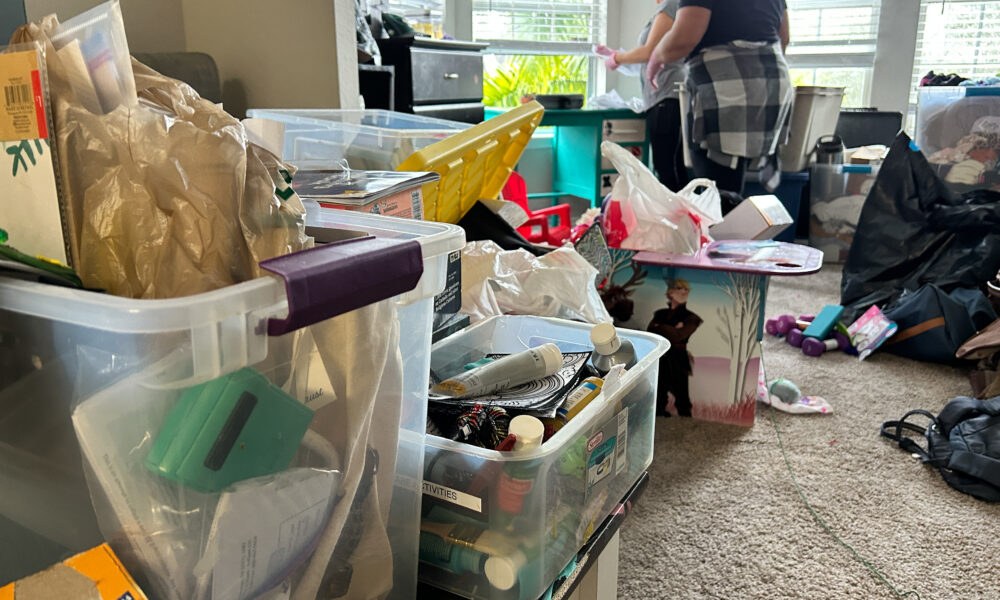

In Aurora, where households balance busy work schedules, school routines, and seasonal changes, visual clutter often becomes part of daily life. While a messy room may appear to be only a physical concern, research and everyday experience suggest a close link between disorganized spaces and mental stress.
What we see around us can influence how we think, feel, and function. Understanding this connection helps Aurora residents make small changes that support calmer, more focused living.
The Psychology Behind Visual Clutter
Visual clutter refers to an excess of items that compete for attention in a space. This constant stimulation can overwhelm the brain.
Key mental effects of clutter include:
- Cognitive overload: The brain processes every visible object, increasing mental fatigue.
- Reduced concentration: Competing visual signals make it harder to focus on one task.
- Emotional tension: Mess can trigger feelings of guilt, frustration, or loss of control.
- Delayed decision-making: Too many visible choices slow down simple daily actions.
In many Aurora homes, open-plan layouts and multifunctional rooms can make clutter more noticeable, which may intensify these mental responses.
What Mess Can Reveal About Emotional States
Clutter does not always mean poor habits. Often, it reflects emotional or psychological challenges rather than a lack of effort.
Common emotional patterns linked to clutter:
- Stress and exhaustion: Tired individuals may lack energy to organize.
- Anxiety: Avoidance of sorting or discarding items can be tied to fear of making mistakes.
- Emotional attachment: Objects connected to memories may feel difficult to let go.
- Low mood: Depression can reduce motivation for basic household tasks.
In Aurora, long commutes, family responsibilities, and demanding jobs can quietly contribute to these emotional states, which then appear as physical mess in the home.

How Visual Chaos Increases Daily Stress
Cluttered environments do more than reflect stress; they can also intensify it. The relationship works in both directions, creating a cycle that is hard to break.
Ways clutter raises stress levels:
- Constant reminders of unfinished tasks increase background anxiety.
- Difficulty locating items leads to frustration and wasted time.
- Limited space for rest or creativity reduces opportunities to recharge.
- Perceived lack of control can lower confidence and productivity.
For Aurora families managing work-from-home setups or student study areas, cluttered desks and crowded rooms may quietly undermine performance and emotional balance.
Cultural and Lifestyle Factors in Aurora Homes
Every city has its own rhythms, and Aurora is no exception. Seasonal clothing, sports equipment, and school supplies often accumulate throughout the year.
Local lifestyle contributors to clutter include:
- Seasonal gear storage challenges during winter and summer transitions.
- Growing households that outpace available storage solutions.
- Busy schedules that leave little time for routine organization.
- Emphasis on practicality that encourages keeping items “just in case.”
Small Steps Toward Mental and Visual Calm
Reducing clutter does not require perfection or drastic changes. Simple, consistent habits can improve both physical space and mental well-being.
Practical strategies for Aurora residents:
- One-surface rule: Clear one table or counter each day to restore visual calm.
- Timed tidying sessions: Short, focused cleaning reduces overwhelm.
- Category-based sorting: Organize by item type instead of room for better results.
- Designated drop zones: Create specific spots for keys, bags, and mail.
- Mindful keeping: Ask whether an item supports current needs or habits.
Conclusion: Interpreting Mess with Compassion
Visual clutter is not simply a housekeeping issue; it often signals emotional strain, fatigue, or changing life demands. In Aurora, where residents juggle many responsibilities, mess can be a quiet message that the mind needs relief, not judgment. By viewing clutter as useful feedback rather than failure, individuals can take gentle steps toward clearer spaces and calmer thinking.
Over time, small improvements in the environment can support better focus, emotional balance, and a stronger sense of control at home.
